
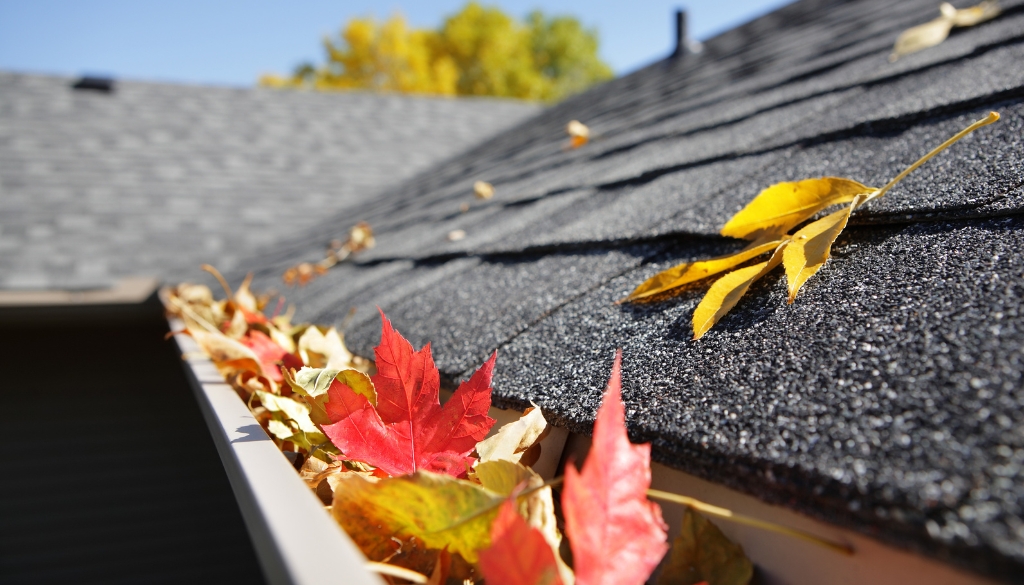
Most roofs look exactly the same from the parking lot. That is probably why weather damage catches people by surprise. A week of summer heat leaves no obvious mark. Neither does one afternoon of heavy rain. Even strong wind can come and go without making the roof look any different from the ground.
The changes are happening anyway.
Roofing materials spend the year expanding, cooling, drying, shedding water, and dealing with whatever the next season brings. None of that attracts much attention until somebody notices a stain indoors or a contractor points to a seam that has slowly worked loose. Businesses that Learn More about Commercial Roofing often find that weather tells a longer story than a single repair ever can.
Rain Finds Out What Has Been Missed
Heavy rain has a way of testing everything at once. Water heads towards drains, moves around rooftop equipment, and settles wherever the roof gives it the opportunity. A blocked drain does not always cause immediate trouble. Leave it through several storms, though, and the same area may stay wet long enough for nearby seams or flashing to begin struggling. That is how small drainage problems quietly become larger repairs.
A Quick Walk Around the Roof Can Prevent Bigger Problems
Some inspections take less than an hour. A contractor clears debris from a drain, checks flashing around rooftop equipment, presses on a few seams, makes several notes, and moves on. Nothing dramatic happens, which is exactly what owners hope to see.
Typical inspection points include:
- Roof drains and gutters
- Flashing around rooftop equipment
- Membrane seams
- Areas where water collects
- Damage left behind after storms
- Sealants and expansion joints
Most of those checks are looking for changes that are still small enough to correct without major repairs.
Every Season Adds Something to the Story
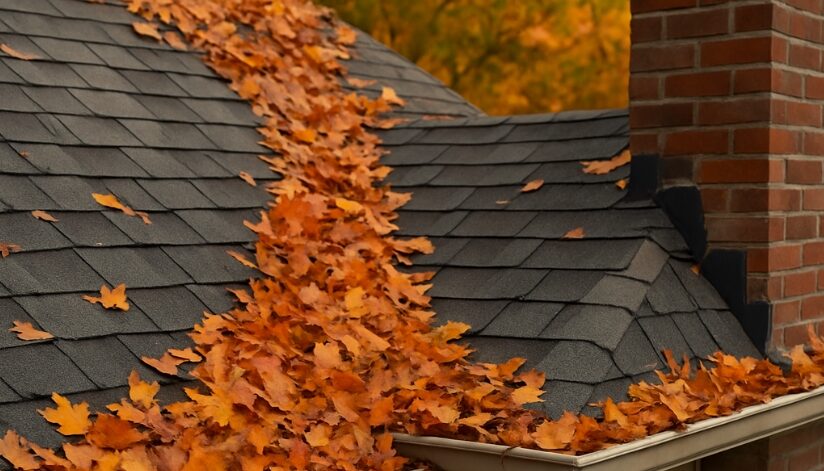
Commercial roofs do not respond to one season alone. Summer leaves behind heat. Autumn fills drains with leaves. Winter tests expansion and contraction. Spring often reveals what the previous months have been doing out of sight. None of those changes automatically means the roof is failing, but together they explain why two buildings of the same age can perform very differently.
Businesses that Learn More about Commercial Roofing often discover that preparing for weather is not about predicting the next storm. It is about understanding how small seasonal changes build on one another until the roof finally gives people a reason to look up.
About the Author