Understanding the Science Behind Clear Aligner Materials
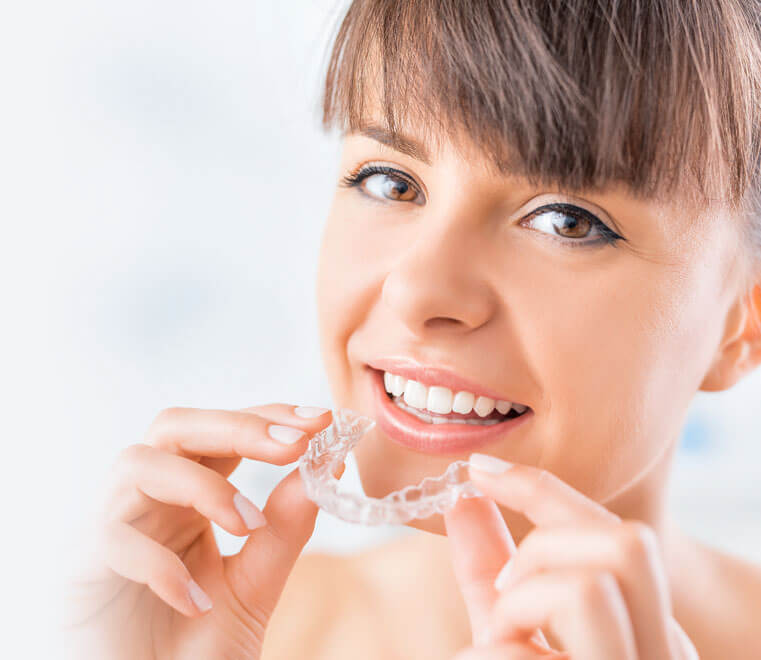
The evolution of orthodontic treatment has been significantly shaped by advances in material science, particularly in the development of Invisalign Macleod. The properties of the thermoplastic materials used in these systems play a crucial role in determining both how quickly teeth move and how comfortable patients feel throughout their treatment journey. Modern clear aligner systems rely on sophisticated polymer compositions that balance flexibility with sufficient rigidity to apply controlled forces to teeth.
The molecular structure of aligner materials directly impacts their clinical performance. These thermoplastic polymers must possess specific characteristics: they need to be transparent for aesthetic purposes, biocompatible to avoid adverse reactions in the oral environment, and capable of maintaining consistent force delivery over extended wear periods. The material’s ability to recover its shape after deformation whilst gradually releasing controlled pressure is fundamental to successful tooth movement.
Material Composition and Force Delivery Mechanisms
The thermoplastic polymers used in clear aligner fabrication undergo careful engineering to optimise their mechanical properties. These materials typically consist of polyurethane or polyester compounds that have been refined to exhibit predictable behaviour under various oral conditions. The thickness of the material, combined with its inherent elastic properties, determines the magnitude of force applied to teeth at any given moment.
Temperature sensitivity represents another critical aspect of aligner material performance. When Invisalign Macleod practitioners fit aligners, the materials respond to body temperature, which affects their flexibility and force characteristics. This thermal responsiveness allows aligners to soften slightly when first placed, improving initial comfort, then maintain consistent pressure as they stabilise at mouth temperature. The material’s glass transition temperature—the point at which it shifts between rigid and flexible states—has been carefully calibrated to function optimally within the oral environment’s temperature range.
The Relationship Between Material Stiffness and Treatment Duration
Material stiffness directly influences how rapidly orthodontic movement occurs. Aligners fabricated from materials with higher elastic modulus values can deliver greater forces, potentially accelerating tooth movement when clinically appropriate. However, excessive stiffness may compromise patient comfort and adherence to wearing schedules, which paradoxically could extend overall treatment duration.
Balancing Force Application with Patient Comfort
The relationship between material properties and patient comfort cannot be overstated. Aligners constructed from materials with optimal elasticity distribute forces more evenly across tooth surfaces, reducing localised pressure points that can cause discomfort. The material’s ability to flex slightly whilst maintaining therapeutic force levels ensures that patients experience manageable sensations rather than acute pain, which significantly improves compliance with recommended wearing times.
Modern aligner materials also demonstrate improved resistance to staining and degradation over their wear cycle. This durability ensures that the mechanical properties remain consistent throughout the recommended wearing period, typically two weeks per aligner set. Materials that maintain their structural integrity prevent premature loss of force, which would otherwise necessitate extended treatment times or additional aligner sets.
Surface Characteristics and Oral Environment Interaction
The surface properties of aligner materials influence both comfort and hygiene. Smoother surfaces reduce friction against soft tissues, minimising irritation to the tongue, cheeks, and gums. Additionally, materials engineered with lower surface energy resist bacterial adhesion more successfully, contributing to better oral health throughout treatment. Understanding biomechanics in clear aligner systems helps practitioners appreciate how these surface characteristics complement the mechanical properties.
Research into aligner material properties continues to advance, with studies examining the clinical performance of various polymer formulations providing valuable insights. These investigations explore how different material compositions affect force retention over time, resistance to oral fluids, and long-term dimensional stability—all factors that contribute to treatment predictability.
Advancing Treatment Outcomes Through Material Innovation
The ongoing refinement of aligner materials represents a significant frontier in orthodontic care. As polymer science progresses, newer formulations offer enhanced properties that address previous limitations. These improvements enable more precise force control, better comfort profiles, and potentially shorter treatment durations without compromising clinical outcomes. Patients considering Invisalign Macleod treatments benefit from these material advances, which have transformed clear aligner therapy into a sophisticated, predictable orthodontic approach.
The interplay between material science and clinical orthodontics demonstrates how fundamental research translates into tangible benefits for patients. By understanding these material properties, both practitioners and patients can appreciate the sophisticated engineering behind what might appear to be simple plastic trays, recognising them as precision medical devices designed to deliver controlled, comfortable tooth movement.
About the Author